The right adaptive spoons can boost independence and comfort for seniors facing tremors, arthritis, or limited grip strength. This guide highlights five top spoon sets designed to improve control, reduce spills, and support daily meals without sacrificing dignity or convenience. Each product below is chosen for durability, ergonomic design, and practical features that matter for elderly users and their caregivers.
Summary of Selected Products
- Nourislif Adaptive Utensils 4pcs For Hand Tremors, Arthritis, Parkinson’s
- KMINA Bilateral Adaptive Spoons for Disabled Adults (Adjustable Angle)
- Adaptive Utensils Swivel Fork Spoon Easy Grip by GREENANTS
- Rehabilitation Advantage Right Handed Grip Easy Offset Spoon
- SENIOR ICARE Silverware Adaptive Spoons for Parkinson’s
Nourislif Adaptive Utensils 4pcs – Built Up Handles
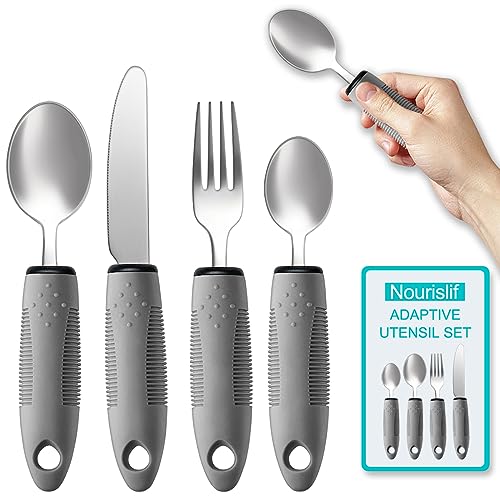
These four built-up utensils are designed for seniors with tremors, arthritis, or weak grips. The enlarged, contoured handles offer enhanced stability and control, reducing the effort needed to lift and maneuver each bite. Crafted from rustproof stainless steel, the set promises durability and long-lasting use, making daily meals safer and more independent. The design emphasis is on steady grip and reliable performance, with a straightforward approach to self-feeding for elderly users who value simplicity and reliability.
KMINA Bilateral Adaptive Spoons – Adjustable Angle
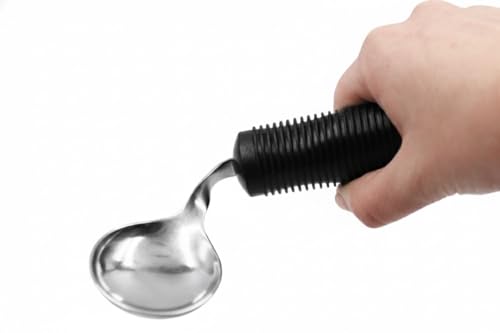
The KMINA adjustable spoons are designed for ambidextrous use, with a bendable spoon that can rotate up to 90° to suit individual eating angles. The lightweight design (about 2.8 oz) reduces wrist and forearm fatigue, making it easier for people with limited strength or mobility to bring food to the mouth. The soft, wide handle offers a non-slip grip, increasing confidence during meals. The spoon works well for both right- and left-handed users, addressing a common need among elderly individuals who may switch hands during care routines.
Adaptive Utensils by GREENANTS – Swivel Fork Spoon

GREENANTS offers an adaptive cutlery set with a 360° rotatable spoon and fork, designed to stay stable in the hand with a secure, non-slip grip. The adjustable strap and bright red color enhance visibility and control, supporting independent eating for those with tremors or reduced dexterity. Occupational therapists often note the value of such features for improving functional independence, reducing caregiver intervention, and fostering a sense of autonomy at mealtimes.
GREENANTS Weighted Adaptive Utensils Set – Lift, Tilt, Eat

This weighted utensil set features a swivel design with six adjustable angles, promoting independent eating for users with arthritis, tremors, or motor impairments. The heavier weight aids stability, while the ergonomic handles improve grip for those with a weaker hand. The design aligns with occupational therapy principles, helping seniors maintain self-sufficiency during meals and reduce caregiver assistance in daily dining tasks.
Rehabilitation Advantage Right Handed Grip Easy Offset Spoon
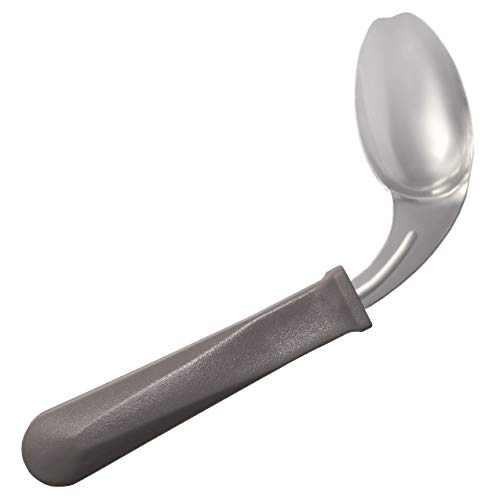
This right-handed offset spoon is designed to accommodate limited wrist or hand motion from arthritis, tremors, or Parkinson’s. The 4.5″ plastic handle provides a comfortable, easy-to-grip option that helps users guide food smoothly to the mouth. The combination of a lightweight spoon with a firm grip supports better control during meals, reducing spill risk and promoting safer, independent feeding for seniors who prefer straightforward, non-weighted utensils.
SENIOR ICARE Silverware Adaptive Spoons – Parkinson’s Friendly

Senior ICARE’s adaptive spoons are designed with a broad, flat-edged tip for stable scooping and a comfortable ergonomic grip. The spoon profile supports efficient food transfer, particularly for individuals with Parkinson’s or dexterity challenges. The non-weighted design focuses on minimizing wrist strain while maintaining effective feeding, making it a practical choice for daily dining that emphasizes reliability and ease of use in everyday routines.
Buying Guide: Key Considerations For Selecting Adaptive Spoons
- Grip comfort and stability: Look for contoured, enlarged handles or non-slip grips that reduce slipping and fatigue during meals. A soft, wide handle can dramatically improve control for weak grips or tremors.
- Weight and balance: Weighted utensils can stabilize movement for some users, but others may prefer lighter designs. Consider the user’s tremor severity and comfort with weight distribution.
- Adjustability: Bendable or swiveling spoons offer personalized angles to accommodate different eating positions, arm mobility, and sitting arrangements. Ambidextrous options are valuable for caregivers who assist both hands.
- Durability and materials: Rustproof stainless steel or high-quality plastics ensure longevity and ease of cleaning, an important factor for daily use and hygiene.
- Caregiver simplicity: Choose utensils that are easy to clean and dishwasher-safe, with straightforward assembly and minimal parts to lose.
- Color and visibility: Bright or high-contrast tableware can aid focus and reduce mishaps during meals, especially for users with memory or vision challenges.
- Therapeutic alignment: If possible, consult occupational therapy guidance. Some designs align with strategies used in rehab to maximize independence and reduce frustration at mealtime.
- Cost vs. benefit: Durable, ergonomically designed utensils may have a higher upfront cost but can lessen caregiver intervention and improve quality of life over time.
In selecting adaptive spoons, balance the user’s needs, dexterity level, and daily routine. Multipack sets offer flexibility for different meals or caregivers, while specialized features like tilt, bend, or offset angles can be decisive for achieving reliable, independent eating without compromising safety. Consider trying a couple of styles to identify which design yields the most comfort and control for the senior’s unique movements and preferences.