Self-igniting pellet stoves offer automatic ignition, programmable controls, and steady heat without manual lighting. This guide highlights five popular models, focusing on ease of use, efficiency, and reliable operation for American homes. Each product includes key features to help you compare performance, hopper size, and required ventilation. Use the buying guide at the end to evaluate installation needs, energy efficiency, and maintenance considerations before purchasing.
Summary of chosen products:
| Product | Brand | Hopper | Approximate Heating Area | Key Benefit |
|---|---|---|---|---|
| Castle Serenity 41278 | Castle Pellet Stoves | 40 lb | Up to 1,500 sq ft | Smart controller with Eco mode |
| Comfortbilt HP22i | Comfortbilt | 47 lb | Up to 2,800 sq ft | Programmable heat settings |
| Comfortbilt HP42-Alpine | Comfortbilt | 120 lb | Up to 2,800 sq ft | High BTU output, top efficiency |
| Mr. Heater Small Pellet Stove | Cleveland Iron Works | 24 lb | 1,200 sq ft | Built-in WiFi for smart control |
| Generic Comfortbilt Mini HP 40 | Generic | 25 lb | 1,500 sq ft | EPA/CSA certified, rebate eligible |
Castle Serenity Pellet Stove: Easy, Eco Modes
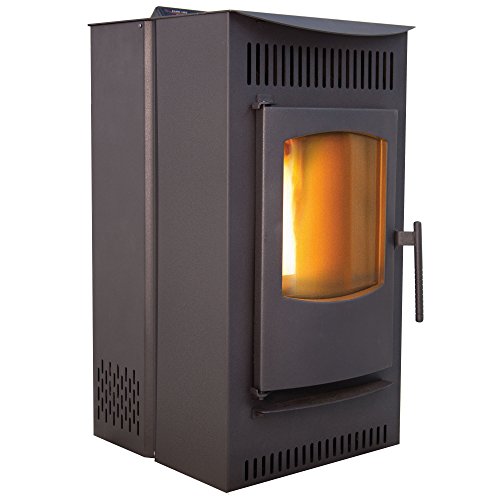
The Castle Serenity 41278 is designed for home heating up to about 1,500 square feet with a compact footprint. It features a straightforward manual and programmable modes, including Thermostat and Weekly schedules. Eco mode helps the stove toggle between on and off to maintain a comfortable room temperature while optimizing energy usage. The absence of complex tubes or hidden chambers simplifies cleaning, contributing to lower maintenance. This model suits small-to-mid-sized living spaces seeking dependable heat with automated control options.
Comfortbilt HP22i: Efficient, Programmable Heating

The Comfortbilt HP22i is a compact insert-style stove designed to heat up to 2,800 square feet with a 47-pound hopper. It emphasizes high efficiency and practical controls, including programmable heat settings and auto ignition. Ventilation is required for safe operation, and EPA approval ensures compliance with emissions standards. This model balances modern features with reliable performance, making it a solid option for homes seeking steady warmth and flexible scheduling in a mid-sized living area.
Comfortbilt HP42-Alpine: High Output For Large Spaces

The HP42-Alpine delivers substantial warmth with up to 42,370 BTU per hour, making it suitable for larger open-plan areas. It holds a 120-pound hopper and claims one of the highest overall efficiency ratings in North America at 86.1% HHV, reducing fuel use while maintaining comfort. This model is ideal for those who need robust heating capacity and fewer refills, especially in colder climates or larger homes requiring consistent heat output year-round.
Mr. Heater Small Pellet Stove: Smart Home Ready

The Cleveland Iron Works Mr. Heater small pellet stove combines modern smart-home capabilities with practical heating for spaces between 800 and 1,200 square feet. A built-in WiFi module enables remote monitoring and adjustments, while the 24-pound hopper supports longer runs between refills. This model prioritizes convenience and automation, offering a balance of compact size and dependable heat suitable for apartments, small homes, or spaces where remote control is a priority.
Generic Comfortbilt Mini HP 40: Certified Efficiency

The Generic Comfortbilt Mini HP 40 is a compact option designed for 1,500 square feet with a 25-pound hopper. It carries EPA and CSA certifications and offers a maximum BTU per hour of 26,224 with an efficiency around 81%. This model provides a budget-friendly entry into self-igniting pellet stoves with respectable efficiency, suitable for smaller homes or as a secondary heating source in well-insulated spaces.
Buying Guide: Key Considerations For Self-Igniting Pellet Stoves
Choosing a self-igniting pellet stove involves balancing heat output, fuel capacity, efficiency, and installation requirements. Consider the following perspectives to determine the best fit for your home:
- Heating Area And BTU: Match stove capacity to the target space. Larger homes benefit from higher BTU output and bigger hoppers to reduce refills, while smaller rooms can run efficiently on compact units with variable thermostats.
- Ventilation And Compliance: Most models require proper venting and compliance with EPA or CSA standards. Check local codes for venting routes, chimney connections, and clearance from combustibles.
- Fuel Storage And Handleability: Hopper size affects how often you refill. Bigger hoppers offer longer burn times but require more space and potentially more frequent cleaning around the hopper area.
- Automation And Connectivity: Smart features like auto ignition, programmable schedules, and WiFi control add convenience and energy savings. Consider whether remote monitoring aligns with your lifestyle.
- Maintenance And Cleaning: Look for designs with minimal tubes and simple cleanouts. Easy-access burn pots and ash traps reduce maintenance time without compromising efficiency.
- Installation Considerations: Some units are insert-style for existing fireplaces, while others require dedicated clearances and a dedicated venting system. Professional installation may be required for optimal performance.
- Efficiency And Rebates: Higher efficiency often correlates with lower operating costs and potential tax credits or rebates. Verify local incentives and the stove’s efficiency ratings.
- Vent Pipe Sizing And Draft: Adequate draft ensures consistent ignition, stable flame, and cleaner exhaust. Wider chimney connections can improve airflow but may require additional components.
In selecting a model, weigh your space, warmth expectations, and desired automation level. The five options highlighted here cover a range of heating capacities, hopper sizes, and smart features to help you compare effectively. Always consult the manufacturer’s installation manual and consider professional help for a safe, efficient setup.