Keeping an aquarium healthy often means regular water changes. Choosing the right pump can make draining and changing water efficient and low-stress for fish. This guide highlights reliable submersible and siphon pumps designed to move water out of tanks, with practical considerations for size, flow, noise, and ease of use. The table below summarizes five proven options to help you decide quickly.
| Product | Brand | Key Benefit | Flow Range |
|---|---|---|---|
| Hygger 400 GPH Quick Water Change Pump | Hygger | High flow for faster water changes | 660 GPH max |
| Hygger 215 GPH Quick Water Change Pump | Hygger | Efficient transfer with quiet operation | 400 GPH max |
| SunGrow Water Siphon Pump | SunGrow | Hands-on siphon with priming bulb | Not stated |
| AQQA 265-800 GPH Submersible Pump | AQQA | Adjustable flow for precise changes | Up to 1000 L/H (≈265 GPH) |
| Decdeal Submersible Water Pump | Decdeal | Flow adjustable with LED indicators | 300 L/H (≈80 GPH) max |
Hygger 400 GPH Quick Water Change Pump
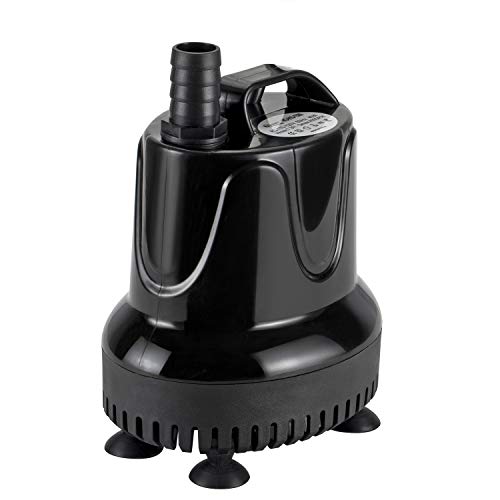
The Hygger 400 GPH Quick Water Change Aquarium Pump is designed for fast water removal and multi-function use. It operates as a bottom-intake submersible pump suitable for draining water, transferring water between containers, and powering fountain waterfalls. It can drain water down to about 1/4 inch from the bottom, picking up debris and fish waste while maintaining quiet operation. With a 60 Hz compatible 40W motor and a maximum flow rate of 660 GPH, it provides strong performance for mid-to-large tanks. The unit includes two adaptors for flexible hose connections, and its six-foot power cord gives some reach for convenient placement. It is intended for quick changes, but its sturdy build also makes it useful for continuous circulation or fountain setups.
Key features to consider include the ability to drain low water levels without stopping, the durability of materials for submerged use, and the compatibility of adapters with your existing hoses. For buyers managing larger tanks, higher flow can dramatically shorten the time required for routine maintenance. However, higher flow can also stir substrate more—if your goal is gentle water changes, a lower-flow option may be preferable. This pump’s quiet operation and low heat generation are notable benefits for living-room aquariums or enclosed spaces.
Hygger 215 GPH Quick Water Change Pump
This Hygger model is a compact, low-noise submersible pump suitable for water changes, transfers, and decorative fountains. It can drain water down to a quarter inch and is capable of sucking up debris and fish waste with ease. The stated power is 40W, delivering a maximum flow rate of 400 GPH and a lift height of about 7.3 feet, depending on hose configuration and power availability. The bottom intake design helps prevent clogging by pulling in debris along the tank floor, which can simplify maintenance routines. The dual-adaptor system enhances compatibility with common hose sizes found in many hobbyists’ setups.
Consider this model if you want a balance of performance and size, especially for mid-sized tanks or sections of a larger system. It’s well-suited for routine water changes where speed matters, while still offering a quiet operation profile that won’t disrupt the aquarium’s occupants. When used to power a fountain or waterfall feature, the pump’s consistent flow can help maintain visual appeal in addition to performing maintenance tasks.
SunGrow Water Siphon Pump with Priming Bulb

The SunGrow siphon system simplifies routine water changes by eliminating the need to scoop and carry water. The hand controller with a priming bulb starts the siphon, allowing you to drain water quickly and efficiently. It includes a 2.8-inch wide nozzle, a nozzle net, flexible tubing, discharge hose, and other components that can be arranged to minimize spillage and tank disturbance. Suitable for both freshwater and saltwater tanks, this setup is designed to make frequent water changes easier and less time-consuming. The wider nozzle net helps guard against accidental fish aspiration while maintaining a steady flow for effective cleaning and maintenance.
Key considerations include ensuring the priming bulb remains clean and dry when not in use, and selecting the right nozzle and hose lengths for your tank dimensions. This system is particularly appealing for hobbyists who prefer a manual, low-noise solution that does not require continuous power to operate once primed. It also serves as a practical teaching tool for beginners learning about siphon-based water changes without specialized equipment.
Enomol Gravel Vacuum for Aquarium Water Changer

The Enomol gravel vacuum is designed for quick water changes in larger tanks, using a long 30-foot reach and a built-in filtering tube to minimize noise and fish disturbance. This semi-automatic changer leverages tap water pressure to drain the tank, with a simple two-valve setup that makes it possible to switch from draining to refilling without hauling pails. The 16.5-inch cleaning tube includes a built-in filter, enabling gravel agitation to lift debris while keeping substrate from clogging the pump. It’s ideal for owners who want a no-bucket, no-spill workflow that supports regular maintenance with minimal effort.
When using this tool, pay attention to the valve positions to control flow and avoid rapid water level changes that could stress fish. The integrated gravel cleaning capability reduces the need for separate tools, and its design aims to preserve a peaceful tank environment during maintenance. For aquariums with delicate substrates or low water levels, a slower, controlled drain may be preferable to prevent accidental suction of fish or plants.
Decdeal Submersible Water Pump With Flow Adjustment

Decdeal offers a waterproof, IP68-rated submersible pump that can operate fully submerged or out of water with proper installation. The unit uses epoxy-sealed enameled copper windings to reduce heat buildup and extend motor life. Features include a flow adjustment knob, LED indicators, and a memory function that recalls the selected setting when power returns after an outage. A detachable design facilitates cleaning, and a built-in filter helps prevent inlet clogging. This pump is suitable for aquariums, fountains, hydroponic setups, and even small ponds where precise flow control and easy maintenance are important.
Consider this option if you require clear flow control with quick readouts and robust submersion: it is designed to handle continuous operation with a focus on reliability in damp environments. The adjustable flow rate is helpful when transitioning from heavy cleaning to routine maintenance, and the detachable design simplifies cleaning and inspection of the inlet. Always ensure the pump is fully submerged as directed to avoid overheating or premature wear.
Buying Guide: Key Purchase Considerations and Comparisons
- Flow rate and lift height: Higher flow accelerates water changes but can stir substrate. Choose a model whose maximum flow aligns with your tank size and preferred change rate (e.g., 200–600 GPH for typical home aquariums).
- Submersible vs siphon: Submersible pumps are convenient and quiet, while siphon systems provide precise control with minimal electricity use. Hybrid options exist that combine both approaches for flexibility.
- Bottom intake vs top intake: Bottom-intake pumps minimize debris buildup but may suck up larger debris. Top-intake designs can sometimes guard against accidental fish suction but may clog more easily.
- Hose size and adaptors: Check hose inner diameter compatibility with your existing tubing. Adapters extend compatibility across brands and models, reducing the need for new hardware.
- Noise and heat: Look for models designed for quiet operation and efficient cooling. Excess noise or heat can stress both fish and the household environment.
- Ease of cleaning and maintenance: Detachable components, accessible inlet screens, and simple disassembly speed up routine upkeep and reduce downtime.
- Reliability and safety: Waterproofing, IP ratings, and dry-run protection prevent motor damage when tanks get low or when water is temporarily unavailable.
- Tank size and setup considerations: Consider a pump with enough head pressure to lift water to your discharge bucket or drain line. For larger tanks, higher flow options can cut maintenance time significantly.
- Maintenance plan: Regular checks of hoses, filters, and fittings help prevent leaks and ensure consistent performance during water changes.