Preserving newspapers involves choosing containers that block light, resist acid migration, and provide sturdy protection against dust. The following picks focus on archival-grade newspaper storage boxes designed to extend the life of delicate newsprint while keeping stacks organized. Each option features acid-free materials, lignin-free components, and reinforced edges to handle long-term storage. This guide compares five top choices suitable for family archives, local history collections, and personal keepsakes.
Summary of chosen products:
| Product | Size (W x L x H) | Key Feature |
|---|---|---|
| Gaylord Archival Blue/Grey Newspaper Preservation Box (13W x 18L x 3″H) | 13″ x 18″ x 3″ | Acid-free, lignin-free; deep lid; metal edges for strength |
| Gaylord Archival Blue/Grey Newspaper Preservation Box (19W x 25L x 2.5″H) | 19″ x 25″ x 2.5″ | Archival quality; dust and light protection; durable edges |
| Lineco Museum Archival Storage Box, 9.75 x 12.75 x 3 in. | 9.75″ x 12.75″ x 3″ | Drop Front Design; acid-free; metal edge; USA-made |
| Lineco Archival Newspaper Preservation Storage Box, 22 x 15 | 22″ x 15″ x varies | Drop Front; metal edge; sturdy and durable |
| Pioneer Jumbo Scrapbook Storage Box | 14.75″ x 13″ x 3.75″ | Acid-free material; sturdy construction |
| Golden State Art Archival Folio Storage Box, 16 x 20 | 16″ x 20″ | 60-point board; acid-free; metal corners |
Gaylord Archival Newspaper Preservation Box — 13W x 18L x 3″H

This archival box is designed for newspapers that hold important family and historical information. It is acid-free and lignin-free, passing a Photographic Activity Test (PAT) to limit chemical interactions with newsprint. The pH is buffered to 8.0–9.0 to resist acid migration, and a deep lid helps shield contents from dust and damaging light. Metal edges add strength and a sleek look, enabling durable stacking and handling in archives or home libraries.
Gaylord Archival Blue/Grey Newspaper Preservation Box — 19W x 25L x 2 1/2″ H
Designed for larger newspaper collections, this box shares archival properties with the smaller model: acid-free, lignin-free materials, and a protective lid to keep out dust and light. The pH buffering and PAT certification help maintain newsprint integrity over time, while sturdy metal edges provide dependable support for heavier stacks or files.
Lineco Museum Archival Storage Box, 9.75 x 12.75 x 3 in.

Lineco’s archival storage box features a drop-front design with a metal edge for enhanced durability. It is made in the USA from 60-point board and lined with acid-free, lignin-free materials. This compact option is suitable for protecting smaller newspaper clippings, photos, documents, or memorabilia, offering organization without compromising archival standards.
Lineco Archival Newspaper Preservation Storage Box — 18 x 13
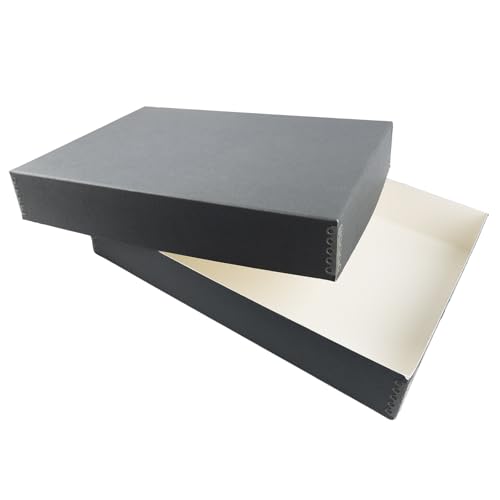
This Lineco option emphasizes longevity for old newspapers, maps, and prints. It features a drop-front design with a durable metal edge, reinforcing corners for long-term storage. The box accommodates larger items and provides a stable, organized system for protecting fragile news-related materials.
Lineco Archival Newspaper Preservation Storage Box — 22 x 15

Lineco’s larger archival option supports significant newspaper runs or batches. The box employs acid-free, lignin-free materials and a metal-edge construction for durability. The drop-front design facilitates easy access for inspecting contents without compromising archival integrity, making it suitable for hobbyists and professionals alike.
Pioneer Jumbo Scrapbook Storage Box
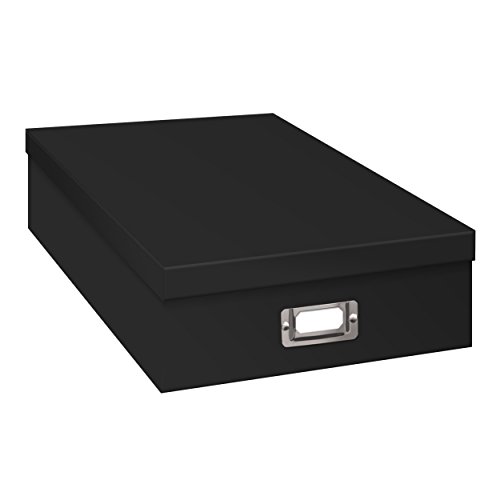
Although marketed for scrapbooks, this box uses acid-free materials and a sturdy metal nameplate. It’s suitable for storing larger newspaper clippings, scrapbooks, and related supplies. The interior protection helps limit exposure to environmental pollutants, contributing to better longevity for paper-based keepsakes.
Golden State Art Archival Folio Storage Box 16 x 20

This gray folio-style box is built with 60-point board and acid-free, lignin-free archival materials. Metal corners provide structural strength, while the clamshell lid and thumb-cut opening offer convenient access. It’s versatile for newspapers, documents, greeting cards, and small ephemera, making it a flexible archival solution.
Buying Guide: Key Considerations For Newspaper Storage
- Acid and lignin content: Choose boxes labeled acid-free and lignin-free to minimize chemical reactions with newsprint over time.
- pH buffering: A modest alkaline buffering (pH 8.0–9.0) helps resist acid migration from surrounding materials.
- Light and dust protection: Deep lids or enclosed designs reduce exposure to damaging light and particulate matter.
- Structural integrity: Metal edges and reinforced corners improve durability for long-term storage and frequent handling.
- Size and fit: Match box dimensions to your newspaper holdings; avoid overpacking to minimize crushing or bending of sheets.
- Front access design: Drop-front or hinged designs facilitate easy viewing without removing contents, reducing handling risk.
- Made in USA and certification: Where possible, prioritize boxes from established archival brands with PAT or similar certifications for reliability.
- Versatility: Some boxes also accommodate photos, maps, and documents, offering a unified storage system for mixed media collections.
When organizing a newspaper archive, begin with a mapping of categories (date ranges, topics, or clippings) and assign a box to each category. Label with clear, durable tags and store boxes in a cool, dry environment away from direct sunlight. Regularly inspect boxes for mold, pests, or signs of accumulated acidity, and rotate storage as needed to maintain optimal conditions for aged newsprint.