Choosing the right aquarium LED light bulbs can impact plant growth, coral health, and the overall appearance of your aquarium. This guide highlights five reliable options with varied color temperatures, power levels, and base types to suit freshwater and marine setups. Each product features energy-efficient LEDs, easy installation, and compatibility with standard sockets.
The following quick reference table summarizes the selected products, focusing on base type, primary use, and notable features.
| Product | Brand | Base | Notable Features |
|---|---|---|---|
| Aluxcia E26 Aquarium Light Bulbs Daylight 5500K, 2-Pack | 2FY2SW | E26 | High brightness, ballast bypass needed, 1300 lumens |
| Gozelux Tubular Light Bulbs, T10 LED Edison Bulbs | Gozelux | E26 | 6W, dimmable, vintage look |
| UEETEK 7W Aquarium Light Bulb | UEETEK | Unknown (standard socket) | 6500K white, plant/coral growth |
| AQUANEAT LED Aquarium Light Full Spectrum | AQUANEAT | Likely E26/E27 | Full spectrum, 42 LEDs, adjustable brackets |
| ShineCai LED Aquarium Lights Bulb 18W | ShineCai | Standard socket | Full spectrum, refugium/plant growth |
Aluxcia E26 Aquarium Light Bulbs Daylight 5500K

These E26 LED bulbs are designed for aquarium use with a daylight 5500K color temperature that supports plant growth and bright tank illumination. The bulb features 36 high-brightness 5730 SMD LEDs, delivering up to 1300 lumens in a compact form factor. Important installation note: ballast removal or bypass is required for proper operation; otherwise the bulb may flicker or stop functioning. This bulb is suitable for standard E26/E27 sockets in various settings, including fish tanks, fish pods, and commercial lighting applications. The rotatable base allows beam-angle adjustment to target specific tank areas. The combination of brightness and adjustable direction makes it a versatile option for mid-sized tanks seeking a natural daylight appearance.
Gozelux Tubular Light Bulbs, T10 LED Edison Bulbs

This set features tubular T10 LED bulbs with an E26 base and a cool white 4000K appearance. Packaged as eight bulbs, they offer a vintage-inspired Edison look while providing energy-efficient performance. The product is described as suitable for use in open indoor fixtures like desks, curio cabinets, and aquariums, combining decorative appeal with practical lighting. The dimmable option adds flexibility for ambiance control, making it a practical choice for hobbyists who favor a classic bulb style without sacrificing efficiency.
UEETEK 7W Aquarium Light Bulb

UEETEK offers a compact 7-watt bulb suited for plant and tropical aquariums. With a 6500K white output, this bulb emphasizes growth-friendly light without strong coloration that might favor one type of organism over another. It is marketed for fish tanks and aquariums used for plant growth, and it helps create a bright, daylight-like environment that can support both freshwater aquatic plant health and general visibility. The 6500K color temperature aligns well with photosynthesis needs in many freshwater setups, while maintaining a neutral appearance in the tank.
AQUANEAT LED Aquarium Light Full Spectrum
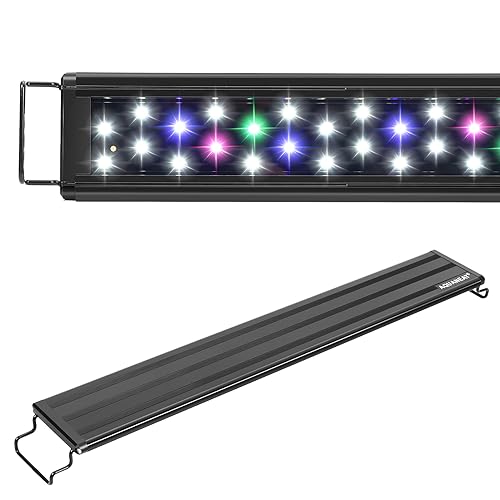
The AQUANEAT LED light provides a full spectrum solution designed for 18 to 24 inch tanks. With a configuration that includes 42 LEDs (30 white, 6 blue, 3 pink, 3 green) and a 6500K white base, this fixture aims to support plant growth and coral health in freshwater and some nano reef environments. It includes two extendable brackets for adaptable mounting and claims compatibility with standard E26/E27 sockets. The light is engineered to deliver broad spectrum output with emphasis on aquatic plant needs, making it a versatile choice for mixed-species tanks requiring color-accurate illumination.
Pawfly 11W Aquarium LED Light

The Pawfly fixture provides an 11-watt LED solution with full-spectrum output, including 6500K white, 450 nm blue, and 660 nm red lights. It is designed for 12 to 18 inch tanks and offers daytime and nighttime modes as well as adjustable brightness. The unit emphasizes color rendering and naturalistic day-night cycles to support animal comfort and plant growth. The included modes and multiple intensity levels help hobbyists tailor lighting for various life stages and tank inhabitants without excessive heat or glare.
Buying Guide
Key purchase considerations help align light bulb choice with tank type and goals:
- Tank size and socket compatibility: Confirm the bulb base (E26/E27 is common) and whether the fixture supports the tank’s dimensions and power needs.
- Color temperature and spectrum: 6500K is common for plant growth and daylight-like appearance; higher or multi-band spectra (blue, red, green) support coral and plant health in reef and planted tanks.
- Brightness and PAR: Lumen output matters for visibility; for plant growth, consider a higher intensity and the light’s distribution pattern (beam angle).
- Ballast compatibility: Some retrofit bulbs require ballast removal to avoid flicker. Check installation notes to ensure proper operation.
- Energy efficiency and heat: LED bulbs save energy and produce less heat than incandescent options; this helps maintain tank temperatures and reduces algae growth in some setups.
- Durability and longevity: Look for rated lifespans and warranty coverage, especially for exposed fixtures or saltwater environments.
- Mounting and adjustability: Bulbs with rotatable bases or adjustable beams help target plant beds and reef zones without moving the entire fixture.
- Application suitability: Some bulbs are labeled for freshwater plants, others for reef-friendly corals; choose based on your habitat and inhabitants.
When selecting aquarium lighting, balance brightness, spectrum, and energy use with your tank’s needs. For planted freshwater tanks, prioritize full-spectrum LEDs with strong white and blue components to support photosynthesis. For reef or marine setups, a broader spectrum including blue and actinic components can enhance coral coloration and growth. Retrofit options offer flexibility but require careful installation to avoid flicker and compatibility issues. Always follow manufacturer guidelines and consult hobbyist forums for setup-specific advice.